By Harlin Vasanth Raj | Founder, NooBrand India
A cotton T-shirt can look simple enough. A few panels of fabric, some stitching, a neckline and a label. Yet, behind that seemingly uncomplicated garment is a long chain of decisions involving raw materials, textile processing, skilled workers, quality checks, transportation and business costs.
I have often felt that one part of the clothing industry deserves more attention: what actually happens between buying cotton and selling a finished T-shirt?
Consumers naturally compare prices. A T-shirt priced at ₹499 and another priced at ₹1,499 may look similar in an online photograph. Both may say 100% cotton. Both may have a crew neck and short sleeves. So why does one cost considerably more?
The answer is not always that one brand is charging more profit. Nor does a higher price automatically mean better quality.
The real answer lies in understanding the journey of the garment — and the decisions made at every stage.
1. It starts with the cotton, but cotton is only the beginning
The first cost difference can come from the raw material itself.
Cotton is not one uniform material. Different varieties have different fibre characteristics, including length, strength and fineness. These characteristics influence how the cotton can be spun and the type of yarn that can be produced.
Regular cotton, Supima cotton and Suvin Gold cotton, for example, have different origins and fibre characteristics. Extra-long staple cotton varieties can require more careful sourcing and handling.
But there is something consumers should understand: choosing a premium cotton variety does not automatically produce a premium T-shirt.
The cotton still has to be processed correctly. The yarn must be suitable for the intended fabric. The knitting, dyeing, finishing and garment construction must all work together.
In other words, good cotton is the starting point, not the finished result.
2. Turning cotton fibre into yarn takes more work than most people realise
Once cotton is sourced, it goes through several stages before becoming yarn.
The fibres are prepared and processed, and then spun into yarn. The spinning method and yarn specifications influence characteristics such as uniformity, strength and surface appearance.
Yarn count is another important consideration. It helps describe the fineness of the yarn and influences the type of fabric that can be produced.
For a manufacturer, selecting yarn is not simply about choosing the finest or most expensive option. It is about finding the right specification for the intended garment.
A lightweight everyday T-shirt and a heavier premium T-shirt may require different yarn and fabric choices.
This is one reason why two garments made from the same cotton composition can feel quite different.
3. Fabric weight is not the same as fabric quality
GSM — grams per square metre — is one of the most commonly mentioned specifications in T-shirt shopping.
It tells us how much a square metre of fabric weighs. It does not tell us everything about the fabric’s quality.
A 180 GSM T-shirt is heavier than a 160 GSM T-shirt, but that alone does not make it better.
Fabric construction, yarn quality, knitting consistency, finishing and the intended fit all matter.
Single jersey, for example, is widely used for T-shirts. Its construction influences how the fabric stretches, drapes and feels when worn.
The right fabric depends on the purpose of the garment. Someone looking for a lightweight T-shirt for everyday use may prefer a different fabric from someone who wants a more substantial feel.
The cost of producing the fabric also depends on the yarn, knitting process, order quantity and processing requirements.
4. Dyeing and finishing are important parts of the price
A fabric does not become ready for a T-shirt immediately after knitting.
It may need preparation, dyeing and finishing before it can move to garment production.
Colour consistency is particularly important. When a brand offers the same T-shirt in several colours, each colour must meet the intended appearance and quality standards.
Finishing also influences how the fabric feels and behaves.
Depending on the product, manufacturers may use processes such as washing or other finishing treatments to achieve the desired fabric characteristics. Prewashing, for instance, can help manage dimensional changes, although the final result depends on the fabric and process.
These stages involve materials, machinery, labour, water, energy and process control.
A poorly managed process can create problems that are difficult to correct later. That is why dyeing and finishing should never be treated as unimportant steps.

5. Cutting and stitching: where fabric becomes a T-shirt
This is the stage most consumers probably imagine when they think about clothing manufacturing.
The prepared fabric is inspected, patterns are laid out, garment panels are cut and the pieces are stitched together.
It sounds straightforward, but small details can make a difference.
- Are the garment measurements consistent?
- Are the panels cut accurately?
- Is the neckline properly constructed?
- Are the shoulder seams secure?
- Are the stitches even?
- Does the finished garment match the intended fit?
A T-shirt can be made using expensive cotton and still disappoint if the stitching or construction is poor.
Skilled labour and careful production planning are therefore part of the cost of making a dependable garment.
The goal is not simply to finish more pieces in less time. It is to maintain consistency across the production batch.
6. Quality control is an actual cost, not an optional extra
Quality inspection takes time, people and resources.
A finished garment needs to be checked for issues such as measurement variations, stitching defects, fabric marks, colour differences and finishing problems.
Some checks happen before cutting. Others happen during production or after stitching.
The earlier a problem is identified, the easier it is to address. If a defect is discovered only after the garment reaches the customer, the consequences can include returns, replacements, additional transportation and lost confidence.
This is why quality control should be considered part of manufacturing rather than an expense that brands should try to eliminate.
A lower-priced garment may still be well made. A higher-priced garment may still have defects. What matters is whether the manufacturer has a consistent process for checking the finished product.
7. The factory cost is not the final selling price
This is probably the most misunderstood part of clothing pricing.
When someone sees a T-shirt priced at ₹1,499, it is easy to assume that the difference between that price and the fabric cost is the brand’s profit.
That is not how the complete cost structure works.
A garment’s commercial journey can include:
- Raw material procurement
- Yarn and fabric processing
- Dyeing and finishing
- Cutting and stitching
- Quality inspection
- Labels, tags and packaging
- Transportation and warehousing
- Website and technology expenses
- Customer service and returns
- Marketing and customer acquisition
- Taxes and other applicable business costs
The importance of each component varies from one business to another.
A brand that manufactures directly may have a different cost structure from a brand that purchases finished garments from several intermediaries. But direct manufacturing does not mean there are no operating costs.
Factories, workers, machinery, inventory and logistics all need to be managed.
And there is another detail that is often overlooked: unsold stock also costs money. A brand must plan sizes, colours and quantities before knowing exactly how much customers will buy.
If the demand forecast is wrong, the business may be left holding inventory that still represents a real investment.
8. Why two T-shirts made from the same cotton can have different prices
Let’s consider a simple example.
Imagine two brands selling T-shirts made from 100% cotton.
One may use a basic fabric specification, a simple construction, limited finishing and large production quantities.
The other may use a more specialised cotton variety, carefully selected yarn, a different fabric weight, additional finishing, more detailed construction and smaller production batches.
Both garments can truthfully be labelled 100% cotton. But they do not necessarily have the same manufacturing cost.
This is why cotton composition alone is not enough to judge a T-shirt.
| What to check | Why it matters |
| Cotton composition | Identifies the fibre used |
| Cotton variety | Helps understand the raw material |
| Yarn and fabric construction | Influences fabric characteristics |
| GSM | Indicates fabric weight |
| Dyeing and finishing | Affects appearance and fabric feel |
| Stitching and construction | Influences garment quality |
| Measurements and fit | Determines how the T-shirt wears |
| Quality checks | Helps maintain production consistency |
9. Does a luxury cotton T-shirt always deserve a higher price?
Not necessarily.
The word luxury is used very freely in clothing. Sometimes it describes the material. Sometimes it describes the design, the shopping experience or simply the price.
For me, a genuinely well-made premium T-shirt should offer more than an expensive fibre or an attractive product photograph.
It should bring together suitable raw materials, thoughtful fabric selection, consistent construction, reliable finishing and clear product information.
Consumers should also be able to understand what makes the garment different.
A higher price should have a reason behind it. That reason should be visible in the product specifications and manufacturing choices, not hidden behind marketing language.
At the same time, a lower-priced garment should not automatically be dismissed. Different products are made for different purposes, and there is room in the market for both basic everyday clothing and more specialised premium garments.
10. What I wish more consumers knew before buying a T-shirt
I would encourage anyone buying a premium cotton T-shirt to ask a few simple questions:
- What cotton is actually used?
- Is the fabric composition clearly mentioned?
- What is the GSM?
- Is the fabric construction explained?
- Are the stitching and finishing details available?
- Does the brand provide accurate sizing information?
- Is the price supported by clear product specifications?
These questions do not require technical knowledge. They simply help people make more informed decisions.
A T-shirt is an everyday product. People wear it repeatedly, wash it and expect it to remain comfortable and presentable. The manufacturing decisions behind it matter because they affect that everyday experience.
The price tag tells only part of the story
The next time you see a luxury cotton T-shirt, remember that its price represents more than the cotton used to make it.
There is a journey from fibre to yarn, yarn to fabric, fabric to garment and garment to customer. Each stage involves choices, people, resources and responsibilities.
As an Indian apparel manufacturer, I believe the industry can do a better job of explaining these decisions. Consumers do not need exaggerated claims. They need honest product information and a clearer understanding of what they are paying for.
Luxury should not simply mean expensive.
It should mean that the choices behind the product have been made with care — and that the finished garment gives the customer a clear reason to value it.
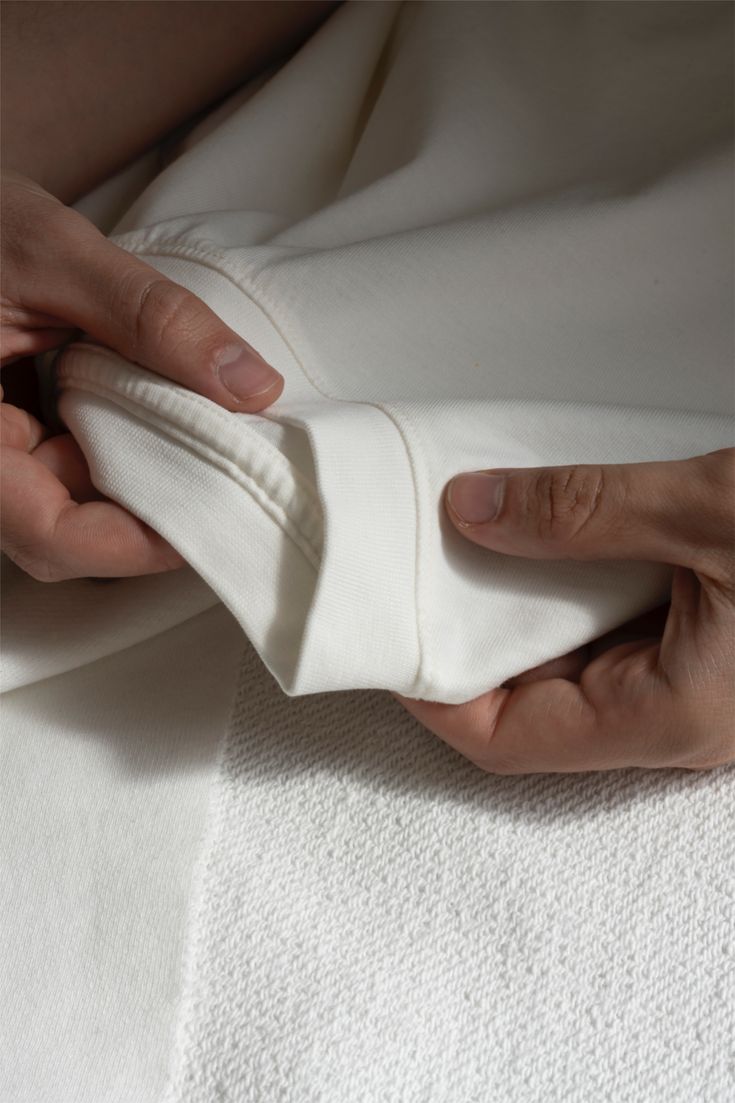
Illustrative visual: key stages and considerations in premium T-shirt manufacturing.
About the author
Harlin Raj is the Founder of NooBrand India, an Indian apparel brand focused on premium cotton T-shirts. His work involves the cotton T-shirt manufacturing and apparel business, with an interest in fabric selection, garment construction and making product specifications easier for consumers to understand.
The views expressed in this article are solely those of the author
Website: https://noo-brand.in/


Leave a Reply