Everyone Plans for the Wedding Night. Nobody Plans for the Brunch.
Six events, three days, and a photographer at every one of them. The two nights with names are the easy part. A note on how we cover brands: Wear Worthy doesn’t run sponsored content or affiliate links. Every brand below is here because we’d recommend it to a friend.
The invitation arrived in February for a wedding in November. It had a monogram, a hashtag, and an itinerary with six events on it. I remember thinking: fine, I’ll repeat my Diwali kurta and my black suit.
I was wrong in a way it took me until the second morning to understand.
The wedding-night outfit was fine. What I hadn’t planned for was the welcome brunch on a lawn in Udaipur, where I turned up in the only “casual” thing I’d packed — a Tommy Hilfiger check shirt I wear constantly — and found myself surrounded by people who had clearly understood something I hadn’t, while a photographer moved between tables taking pictures that will exist forever.
Nobody warns you about the small events. Men over-prepare for the two nights that have names and under-prepare for the four occasions where the dress code says casual and the setting says luxury.
Here’s what i would advice….
Rule one: pack for the place, not the schedule
Most people build a suitcase around events — sangeet outfit, wedding outfit, done. Then they arrive and everything is subtly wrong, because an outfit that’s perfect in Udaipur looks stranded in Goa, and the reverse is just as true.
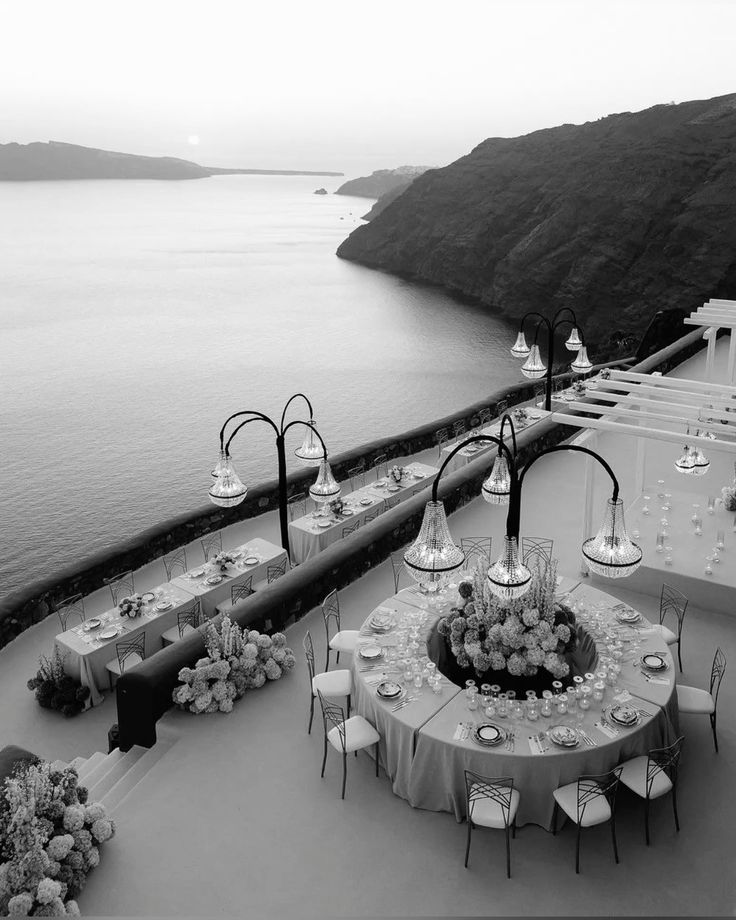
Coastal — Goa, Alibaug, coastal Kerala. Light, loose, breathable, structurally relaxed. Linen, cotton, fluid natural fabrics. Bright abstract florals or clean tonals. Structure is your enemy here: a lined blazer in 34°C humidity will end your evening before dinner. Fine leather soles are useless on sand and grass, so loafers or smart sneakers. For daytime, half-sleeve Cuban collars and rolled sleeves.
Fort/Palace — Udaipur, Jaipur, Jodhpur has architecture that is doing enormous visual work, and it’s ornate, so your clothes need enough formality to hold their own beside it. Jacquards, silk blends, sharper shapes: short bandhgalas, structured kurtas, jewel tones, intricate embroidery, design detail that reads across a courtyard.
Check the month before you buy anything. A December Rajasthan wedding and an April Goa wedding require close to opposite wardrobes.
Then the bridge that took me a whole trip to work out: the place sets your fabric, weight and palette. The schedule only sets formality. Get the first right and the second becomes almost automatic — you’re choosing how dressed-up a linen shirt needs to be, not starting from zero six times.
Rule two: the six events, and what each is actually asking of you
Saturday, 11am — the welcome brunch
This is the trap as it was described as casual, but it is held on a lawn with live music, the first time you’re meeting everyone, and photographed relentlessly.
A relaxed shirt in linen with texture and print, or a solid shirt with embroidery , donot wear a cotton check work shirt in disguise. Light trousers. Loafers or clean minimal sneakers. The bar is “considered,” not “formal,” and almost nobody clears it.
Saturday, 8pm — the cocktail night
The other trap, and the one only few brands have solved. It’s evening, it’s indoors or poolside, it’s the most photographed social event of the weekend, and ethnic is the wrong register for it and so is your work shirt.
What works in this setting is a fluid evening shirt with actual presence — jacquard, textured weave, tonal embroidery, an interesting collar — in a deep tone rather than a light one. Dark trousers or dark denims.
Dont buy the cheap ₹1499 shiny polyester shirt thinking that no one will notice it under blazer. It photographs like plastic and everyone can tell that the fabric is cheap.
Sunday, 10am — haldi
Light cotton, light or yellow color This is the one event where spending money is not needed, so just pick that manyavar yellow kurta for less than 2000.
Sunday, 7pm — mehendi and sangeet
Usually run together, and the most competitive-dressing event of the whole wedding — the one people most consistently underestimate.
Start bright for mehendi if they’re separate like printed or textured kurta in bright prints greens, corals, light fabric because it runs long and mostly outdoors, with a short bandi or Nehru jacket if the evening drops.
For sangeet, texture earns its money. Jacquards, tonal embroidery, silk blends, a structured bandhgala or a designer embellished shirt. Dark jewel tones do something specific under warm event lighting that lighter colours don’t. And you’ll be dancing for three hours, so the fabric has to breathe and the fit has to move.
Monday, the ceremony
Traditional, and the most photographed thing you will ever be in.
Formal kurta set in Ivory, gold, muted pastels, deep classics. Fit and finishing matter enormously — a simple one that’s been tailored properly beats a heavily worked one that hasn’t, every single time, and it isn’t close. Or layer a premium satin or jacquard shirt under your favorite suit.
Monday, the reception
Modern and sharp look. A well-cut suit, with a black shirt preferably with embellishments, which is close to the most modern and stylish thing an Indian man can wear to an evening event and is worn by roughly one man in twenty.
Three things that quietly ruin outfits
The plain T-shirt. There is no moment at a destination wedding where this is correct, including the airport pickup, because someone photographs the airport pickup.
The work shirt. Stiff collar, faint sheen, slightly wrong proportions. It reads as office instantly and carries that energy into every frame it appears in. It doesn’t matter how expensive it was.
Not tailoring anything. Fit is the entire difference between looking expensive and looking borrowed.
Where I’d actually buy, by what you’re willing to spend
Six events is a lot of outfits, and the honest advice is that you should not buy them all at the same price point. Spend at the bottom for haldi. Spend at the top for the ceremony and everything else sits in between.
Prices are rough and move constantly. Treat them as tiers, not quotes.
Value — roughly ₹2,000 to ₹5,000 an outfit
The brunch, the haldi, and the second-day shirt should come from here. There is no reason to spend more on a garment you’re going to get turmeric on.
Banana Club is the specific answer to the problem I opened this piece with. Resort shirts, prints, co-ord sets — built for the poolside brunch and the lawn-at-noon slot nobody packs for. Relaxed enough to sit down in, distinctive enough to survive the photographer.
Fabindia is unfashionable and correct for haldi and mehendi. Real cotton, real handloom, light enough for an outdoor afternoon, cheap enough that you won’t mourn it.
Tasva has affordable designer-kurta sets, bandhgalas and lighter sherwanis at a fraction of designer prices. If your budget stops at ₹10,000 and you still need to look like you tried, start here.
Manyavar does volume and does it reliably. It won’t surprise anyone, but a well-fitted Manyavar kurta set beats a badly fitted anything.
Snitch covers the trend-led cocktail end — textured shirts, sharp co-ords, the occasional bandhgala-adjacent piece — at prices that make sense for something you’ll wear twice.
Premium — roughly ₹5,000 to ₹10,000 an outfit
The cocktail night and the sangeet. These are the events where fabric and construction start showing up in photographs, and where the value tier starts to look like the value tier.
Auda works hardest across the schedule. The jacquards and premium modal blends handle cocktail and reception, where you want evening glamour that isn’t a rented tuxedo, and the lighter linens and textured pieces with embroidery handle mehendi and sangeet without weighing you down at 1am.
Nicobar is the better-looking version of that same brief — quiet, well-cut, linen-forward pieces that work for daytime events without looking like you’re in costume.None of the heaviness that makes most ethnic wear unwearable after an hour.
Rare Rabbit covers the smart-casual gaps with its resort print shirt, the thing you wear when the invite says “smart casual” and means it.
Designer — ₹15,000 and up, often well up
One outfit. Usually the ceremony or the reception. This is the photograph you’ll be looking at in thirty years, and it’s the only place I’d argue for genuinely uncomfortable spending.
Countrymade is expensive and honest about it. The design work and construction sit at a level you can see across a room, and it shows most in the ceremony pieces, where finishing is everything.
Raghavendra Rathore essentially defined the modern bandhgala. If your reception look is a Jodhpuri, this is the reference point everyone else is working from.
Shantnu & Nikhil do structured, military-influenced ethnic wear — sharp, modern, and more wearable than most couture at this level.
Sabyasachi and Manish Malhotra need no introduction and no defence. Opulent, maximal, priced accordingly.
The list, condensed
- Two relaxed day shirts in premium fabric, ideally linen
- One light and one dark pair of trousers
- One fluid jacquard or textured shirt for the cocktail evening
- One heritage-embroidered shirt or short kurta for the brunch
- One white or yellow kurta set you’re willing to sacrifice
- One bright printed kurta set for the pooja events
- One suit or dark bandhgala for the wedding night
- One embellished under-blazer shirt for the reception
- One smart jacket to layer if the temperature drops
- Three pairs of shoes — casual loafers, ethnic, formal
And one outfit more than you think you need, because there is always an unannounced event. Three days is a very long time to be photographed, and those photographs are going to outlive your opinion of them.
Tags: Weddings · India · Menswear · Travel


Leave a comment