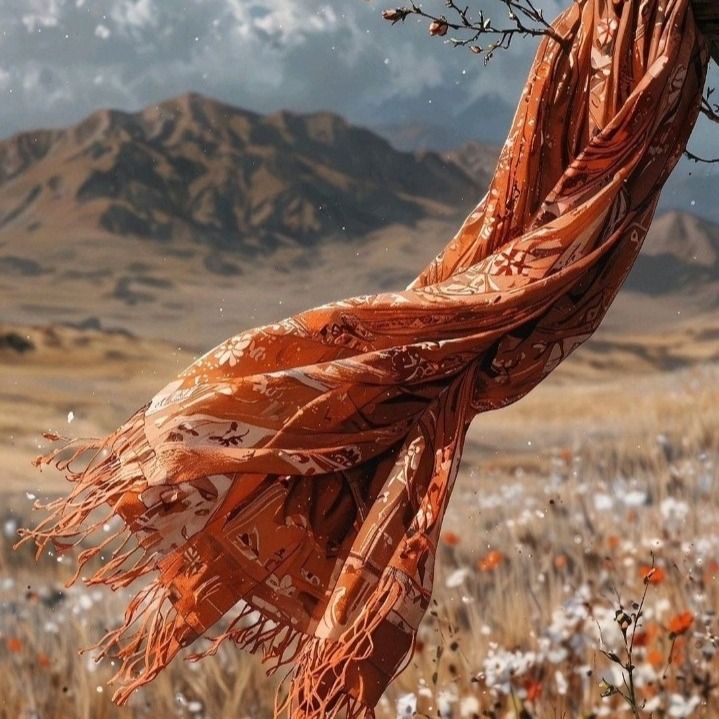
Written by a guest contributor. All views and opinions are the author’s own.
Fashion changes quickly, but some garments continue to remain relevant across generations. Traditional Indian shawls are one such example. Once primarily associated with winter warmth and traditional clothing, shawls are now increasingly being styled with contemporary outfits, occasion wear and everyday fashion.
What makes these textiles interesting is not simply their appearance. Their continued relevance comes from the combination of craftsmanship, cultural history, versatility and the ability to adapt to changing fashion preferences.
From Traditional Wardrobes to Contemporary Styling
Indian shawls have traditionally been worn with sarees, salwar suits, kurtas and other ethnic clothing. Today, their use has expanded considerably.
A shawl can be paired with a contemporary dress, winter coat, denim, formal clothing or a traditional outfit. This flexibility allows traditional textiles to become part of modern wardrobes without losing their original character.
For many consumers, this combination of heritage and contemporary styling makes a traditional shawl more appealing than a purely seasonal winter accessory.
Craftsmanship Remains an Important Part of the Appeal
One of the defining characteristics of traditional Indian textiles is the craftsmanship involved in creating them.
Different regions of India have developed their own textile traditions, techniques, patterns and decorative styles. Shawls may feature weaving, embroidery, borders, patterns and other forms of surface detailing.
These details can give a textile a distinctive character that is difficult to replicate through completely standardised mass production.
As consumers become more interested in the story behind what they purchase, craftsmanship can become an important part of the value of a garment.
Pashmina and the Idea of Lightweight Luxury
Pashmina has become particularly associated with softness, warmth and luxury.
Its appeal also comes from its versatility. A fine shawl can provide warmth without necessarily appearing bulky, making it suitable for both traditional and contemporary styling.
However, shoppers should not rely only on the word “Pashmina” when making a purchase. Material descriptions, product specifications, craftsmanship, dimensions and seller information should all be considered.
For online shoppers, transparent product information is especially important because the buyer cannot physically examine the textile before purchasing.
Shawls Are Becoming Part of Occasion Fashion
Another reason traditional shawls remain relevant is their connection with special occasions.
Wedding celebrations, festive gatherings and formal events often create opportunities to incorporate traditional textiles into modern outfits.
An embroidered or intricately detailed shawl can add another layer to a saree, suit or formal ensemble without requiring a complete change of wardrobe.
This makes shawls particularly useful for people who want to combine traditional elements with contemporary fashion.
The Growing Importance of Responsible Fashion Choices
Consumers are also becoming more interested in understanding where their clothing comes from and how it is made.
This has increased attention towards craftsmanship, textile traditions and products that have a clear connection with a particular technique or cultural tradition.
Traditional textiles can offer an alternative perspective to fast-changing fashion cycles. Instead of being designed around a single short-lived trend, a well-made shawl can potentially remain part of a wardrobe for years.
This does not mean every traditional textile is automatically sustainable or superior. Consumers still need to consider the actual material, manufacturing process, durability and care requirements of individual products.
How Modern Brands Are Presenting Traditional Shawls
The way traditional shawls are presented has also changed.
Earlier, customers often discovered these products through local markets, specialised textile stores or personal recommendations. Today, online stores allow shoppers to compare colours, patterns, materials, sizes and designs from anywhere.
Photography has consequently become an important part of textile retail.
A good product presentation should show the overall design as well as details such as borders, embroidery, texture and finishing. Model photography can also demonstrate how a shawl looks when worn rather than simply displaying it as a flat product.
Brands such as Pashnoor are part of this broader shift towards presenting traditional-inspired shawls through contemporary digital retail while maintaining a connection with Indian textile aesthetics.
Choosing a Shawl for a Modern Wardrobe
When choosing a shawl, shoppers should consider more than appearance.
The material, size, colour, weight, craftsmanship and intended use all matter.
A neutral-coloured shawl can work with multiple outfits and may be suitable for regular winter wear. More detailed designs can be appropriate for weddings, festive occasions or formal events.
Size is equally important. A larger shawl can provide greater coverage, while a lighter or smaller design may work better as a styling accessory.
Understanding these differences makes it easier to choose a product that will actually be used rather than simply purchased for its appearance.
Traditional Doesn’t Have to Mean Old-Fashioned
Perhaps the biggest reason traditional shawls continue to survive in modern fashion is their ability to adapt.
Fashion does not necessarily require older styles to disappear. Instead, traditional elements can be reinterpreted and combined with contemporary clothing.
A shawl that was once worn only with ethnic clothing can now become part of a modern winter outfit. Traditional patterns can appear alongside minimalist clothing. Handcrafted details can complement contemporary silhouettes.
This balance between heritage and modern styling allows traditional Indian shawls to remain relevant without abandoning their cultural identity.
The Future of Indian Shawls
The future of traditional shawls will depend partly on how successfully the industry connects craftsmanship with changing consumer expectations.
Customers increasingly want better information about materials, craftsmanship, sourcing and care. At the same time, they want convenient online shopping and modern product presentation.
Brands, artisans and retailers that can communicate both sides of this story have an opportunity to introduce traditional textiles to a new generation of consumers.
Traditional Indian shawls therefore do not need to compete with modern fashion by becoming something completely different. Their strength may lie precisely in what makes them distinctive: craftsmanship, cultural identity, versatility and timeless appeal.
The challenge is to present those qualities in a way that makes sense to today’s customer.
Author Bio
About the Author:
Himanshu Kwatra works in the Indian fashion and retail space and is associated with Pashnoor, a brand focused on shawls and traditional-inspired winter textiles. His work involves digital retail, product presentation and the modern presentation of Indian textile products.
Pashnoor: Pashnoor Shawls
Written by a guest contributor. All views and opinions are the author’s own.


Leave a Reply